Agentic AI systems have officially moved beyond experimental labs. As of today, December 23, 2025, these intelligent protocols are reshaping the global workforce. No longer restricted to simple chat interfaces, these systems now execute complex tasks autonomously. They actively manage infrastructure, resolve customer support tickets, and even move financial assets without human intervention. This shift marks a pivotal moment in technology history.
Rise of Autonomous Digital Workers
The operational landscape has changed significantly this month. Major tech players recently released standards for autonomous digital workers. Consequently, businesses can deploy software that doesn’t just suggest actions but performs them. For instance, these tools can identify a security vulnerability and deploy a patch immediately. Thus, the reliance on human oversight for routine maintenance has decreased. This evolution allows teams to focus on creative strategy rather than repetitive maintenance.
Moreover, the integration of custom software development ensures these agents fit specific business needs. They adapt to unique workflows instantly. Furthermore, recent reports from TechCrunch highlight that 40% of enterprise operations are now agent-driven. Therefore, companies ignoring this trend risk falling behind.
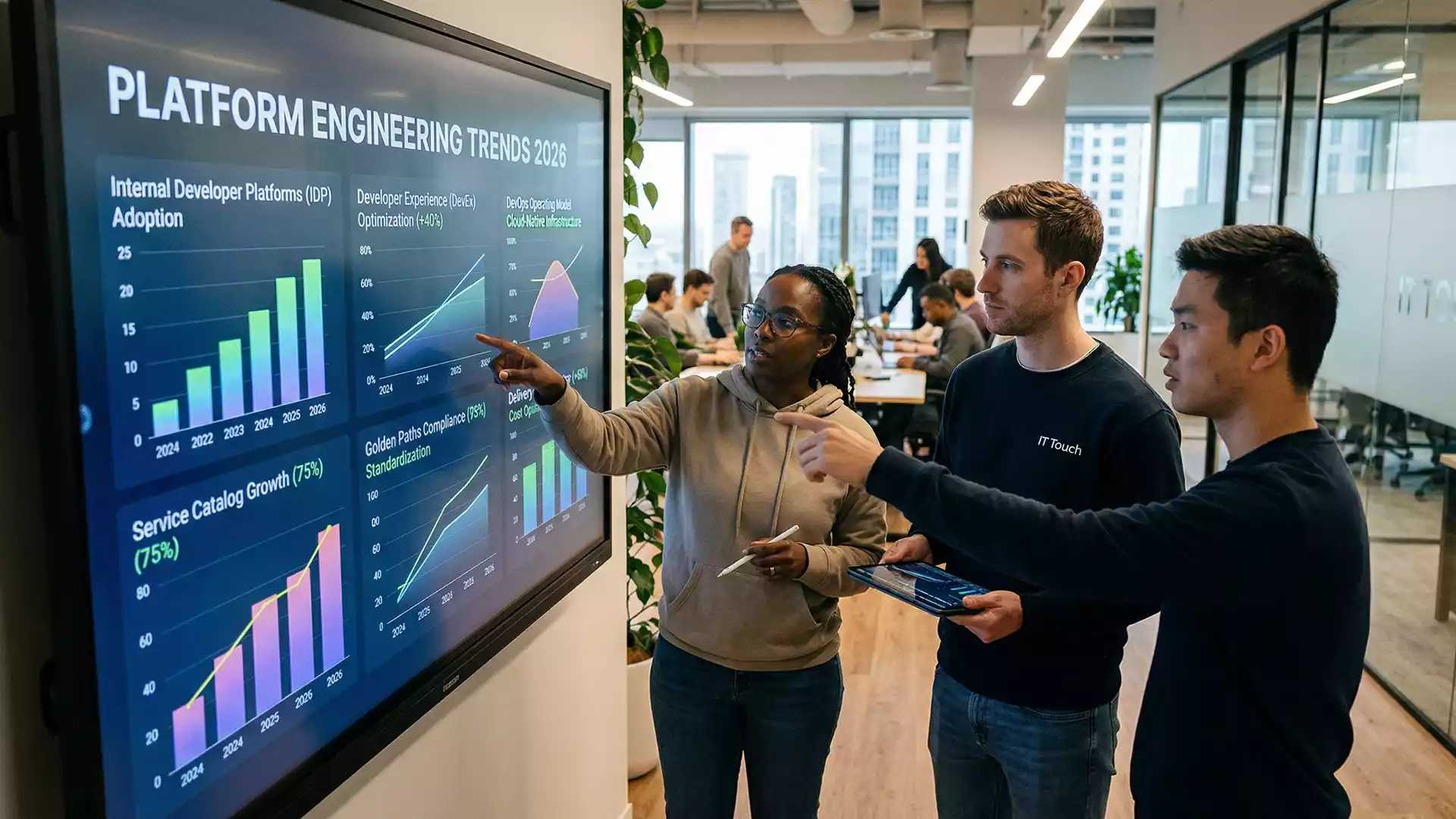
Alt Text: Agentic AI systems automating complex coding tasks on a futuristic interface.
Operational Artificial Intelligence in Practice
We see agentic AI systems thriving in the financial sector today. Banks use operational artificial intelligence to process loans in seconds, not days. Additionally, these systems verify documents and assess risk with unprecedented accuracy. Hence, fraud detection has improved by over 60% since last year.
You can explore our AI solutions to see how we implement these secure protocols. Security remains a top priority for all deployers.
- Speed: Instant transaction processing.
- Accuracy: Reduced human error rates.
- Security: Proactive threat neutralization.
Meanwhile, logistics companies utilize these tools for dynamic routing. They adjust delivery paths in real-time based on weather and traffic. Subsequently, fuel costs drop while delivery speeds rise. A recent study by Gartner confirms this efficiency boom.
Future of Self-Governing AI Protocols
The announcement of the Agent-to-Agent (A2A) protocol has unified the industry. Now, different self-governing AI protocols can communicate seamlessly. One agent managing inventory can speak directly to an agent managing sales. Thus, the supply chain becomes a cohesive, self-regulating entity.
However, proper implementation requires expert guidance. Our team at IT Touch specializes in these complex integrations. We ensure your systems talk to each other effectively. Furthermore, the National Institute of Standards and Technology (NIST) has released new guidelines for these interactions. Adhering to these standards is crucial for compliance.
Why Adoption Matters Now
- Efficiency: Automate 80% of routine workflows.
- Scalability: Grow without proportional hiring costs.
- Innovation: Free up talent for high-value tasks.
Read more about these trends on our technological insights blog. The era of passive software is over. Agentic AI systems are the new engine of commerce.
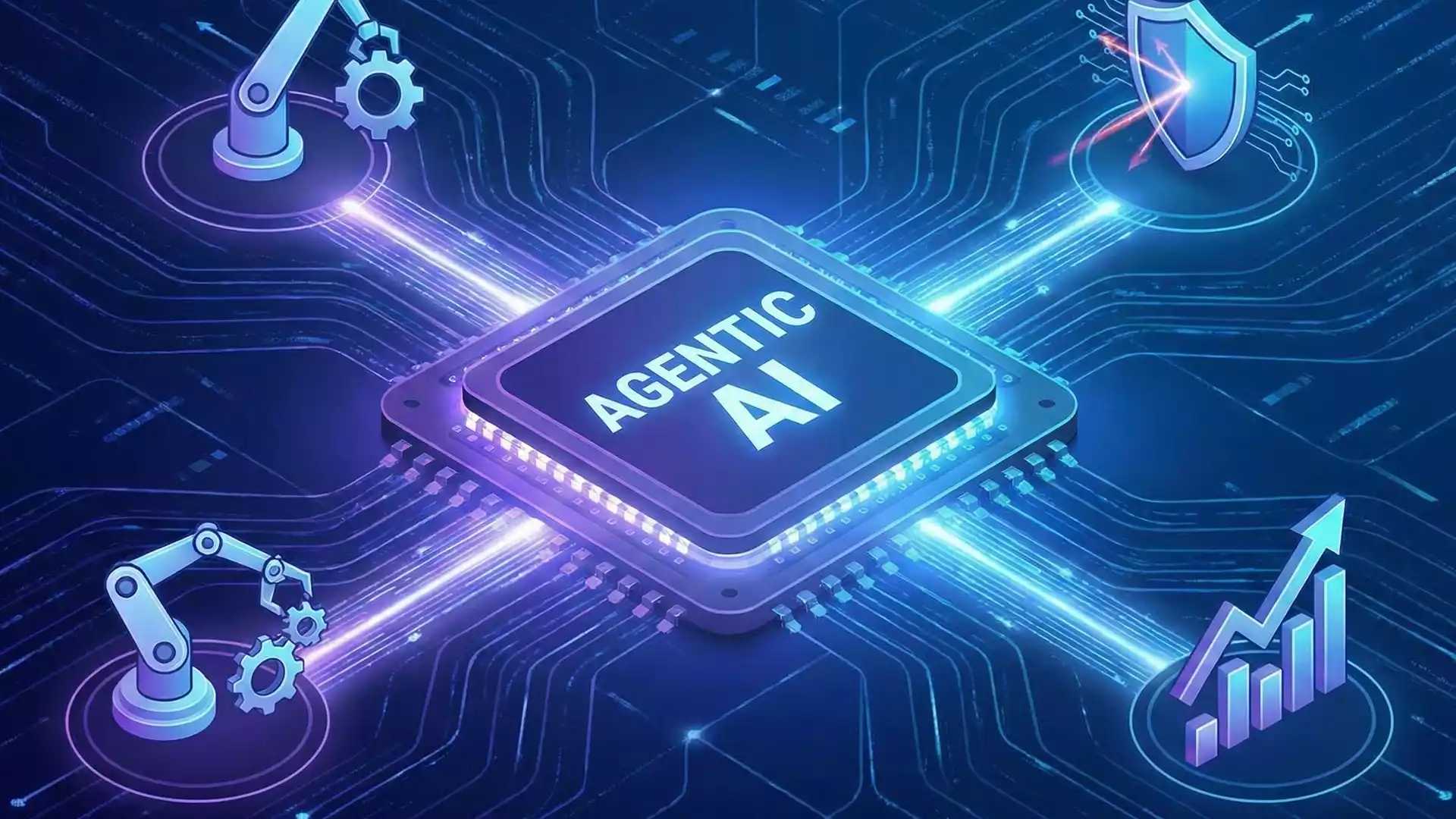
Alt Text: Visualization of self-governing AI protocols connecting global data centers.
Next Steps for Your Business
Adopting agentic AI systems requires a strategic partner. You need a robust infrastructure to support these powerful tools. Contact us via our consultation page to start your transformation.
Additionally, keep an eye on updates from OpenAI regarding their latest agent frameworks. Also, Wired provides excellent daily coverage of these unfolding events. The future is autonomous, and it is happening right now.